
Pleated Filter Bag
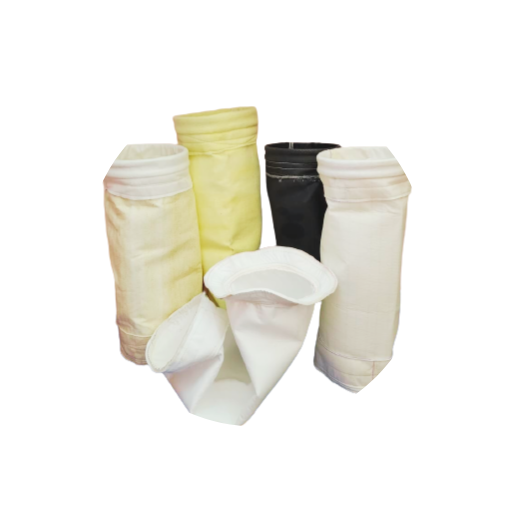
Pleated Filter Bag
Introducing Rajnandinee Engineers Pvt Ltd, your premier manufacturer and supplier of cutting-edge Pleated Filter Bags, headquartered in Howrah, West Bengal. Our Pleated Filter Bags are meticulously crafted to redefine filtration efficiency in industrial settings.
With a focus on innovation and quality, our Pleated Filter Bags boast a unique design that maximizes surface area, ensuring exceptional dust-holding capacity and prolonged service life. From fine particulate matter to coarse contaminants, our filters deliver unparalleled performance, guaranteeing cleaner air and optimized equipment operation.
Trust Rajnandinee Engineers Pvt Ltd for superior Pleated Filter Bags that set new standards for filtration excellence in diverse industrial applications.
Types of pleated filter bag we are manufactiring
Pleated filter bags are versatile filtration solutions that come in various types to suit different industrial applications and requirements.
Polyester Pleated Filter Bags: These bags are made from polyester material, known for its excellent chemical resistance and durability. Polyester pleated filter bags are suitable for a wide range of applications, including dust collection, powder coating, and chemical processing.
Polypropylene Pleated Filter Bags: Polypropylene pleated filter bags offer high chemical resistance and are often used in applications where exposure to corrosive chemicals or high temperatures is a concern. They are commonly used in pharmaceutical, food processing, and wastewater treatment industries.
PTFE (Polytetrafluoroethylene) Pleated Filter Bags: PTFE pleated filter bags are highly resistant to chemicals and extreme temperatures, making them ideal for applications involving aggressive chemicals or high-temperature processes, such as chemical manufacturing, semiconductor fabrication, and pharmaceutical production.
Nylon Pleated Filter Bags: Nylon pleated filter bags are known for their strength and abrasion resistance. They are often used in applications where mechanical strength and resistance to abrasion are critical, such as mining, metalworking, and abrasive blasting.
Microfiber Pleated Filter Bags: Microfiber pleated filter bags are designed to capture very fine particles, including sub-micron particles, from air or liquid streams. They are commonly used in cleanroom environments, pharmaceutical manufacturing, and electronics industries where high-efficiency filtration is essential.
Activated Carbon Pleated Filter Bags: These bags contain activated carbon impregnated into the filter media, allowing them to adsorb odors, volatile organic compounds (VOCs), and other gaseous contaminants. Activated carbon pleated filter bags are used in air purification systems, odor control applications, and indoor air quality improvement.
High-Efficiency Pleated Filter Bags: These bags are designed with specialized filter media to achieve high-efficiency filtration, capturing a wide range of contaminants, including fine particulate matter and airborne pathogens. They are commonly used in HVAC systems, cleanrooms, and critical manufacturing environments.
Antimicrobial Pleated Filter Bags: Antimicrobial pleated filter bags are treated with antimicrobial agents to inhibit the growth of bacteria, mold, and other microorganisms on the filter surface. They are used in healthcare facilities, food processing plants, and HVAC systems to improve indoor air quality and prevent the spread of infectious diseases.
FEW Factors Affecting the Lifetime of Filter Bags
Material Compatibility: The compatibility of the filter bag material with the process conditions and the type of particulate matter being filtered is crucial. Exposure to corrosive chemicals, high temperatures, or abrasive materials can degrade the filter bag material over time, reducing its lifespan.
Operating Temperature: Extreme temperatures can affect the integrity of filter bag materials. High temperatures can lead to thermal degradation or melting of the filter media, while low temperatures can cause brittleness or cracking. It’s essential to select filter bags rated for the specific operating temperatures of the filtration system.
Particle Characteristics: The size, shape, and composition of the particles being filtered can impact the lifespan of filter bags. Fine particles or abrasive materials can cause premature wear and tear on the filter media, leading to reduced filtration efficiency and shorter bag life.
Air-to-Cloth Ratio: The air-to-cloth ratio, which is the ratio of the volumetric airflow rate to the total filter area, affects the filtration velocity and pressure drop across the filter bags. Operating at excessively high velocities can cause accelerated wear and clogging of the filter media, reducing the lifespan of the bags.
Cleaning Mechanism: The effectiveness of the cleaning mechanism used to remove accumulated dust from the filter bags plays a significant role in their longevity. Improper or inadequate cleaning methods can result in dust buildup, increased pressure drop, and decreased filter efficiency over time.
Installation and Maintenance: Proper installation, operation, and regular maintenance of the filtration system are essential for maximizing the lifespan of filter bags. This includes ensuring proper bag tensioning, inspecting for leaks or tears, and timely replacement of worn-out or damaged bags.
Chemical Exposure: Exposure to certain chemicals or contaminants in the process stream can degrade the filter bag material and reduce its lifespan. It’s important to select filter bags with appropriate chemical resistance properties and to monitor for any signs of chemical degradation over time.